Energy Storage Solutions for Solar Energy Optimisation help Tweed Heads homeowners store excess solar electricity generated during the day and use it after sunset. By combining rooftop solar panels with suitable battery storage, you can increase solar self-consumption, reduce reliance on grid electricity and manage household energy more efficiently.
How Does Solar Energy Storage Work?
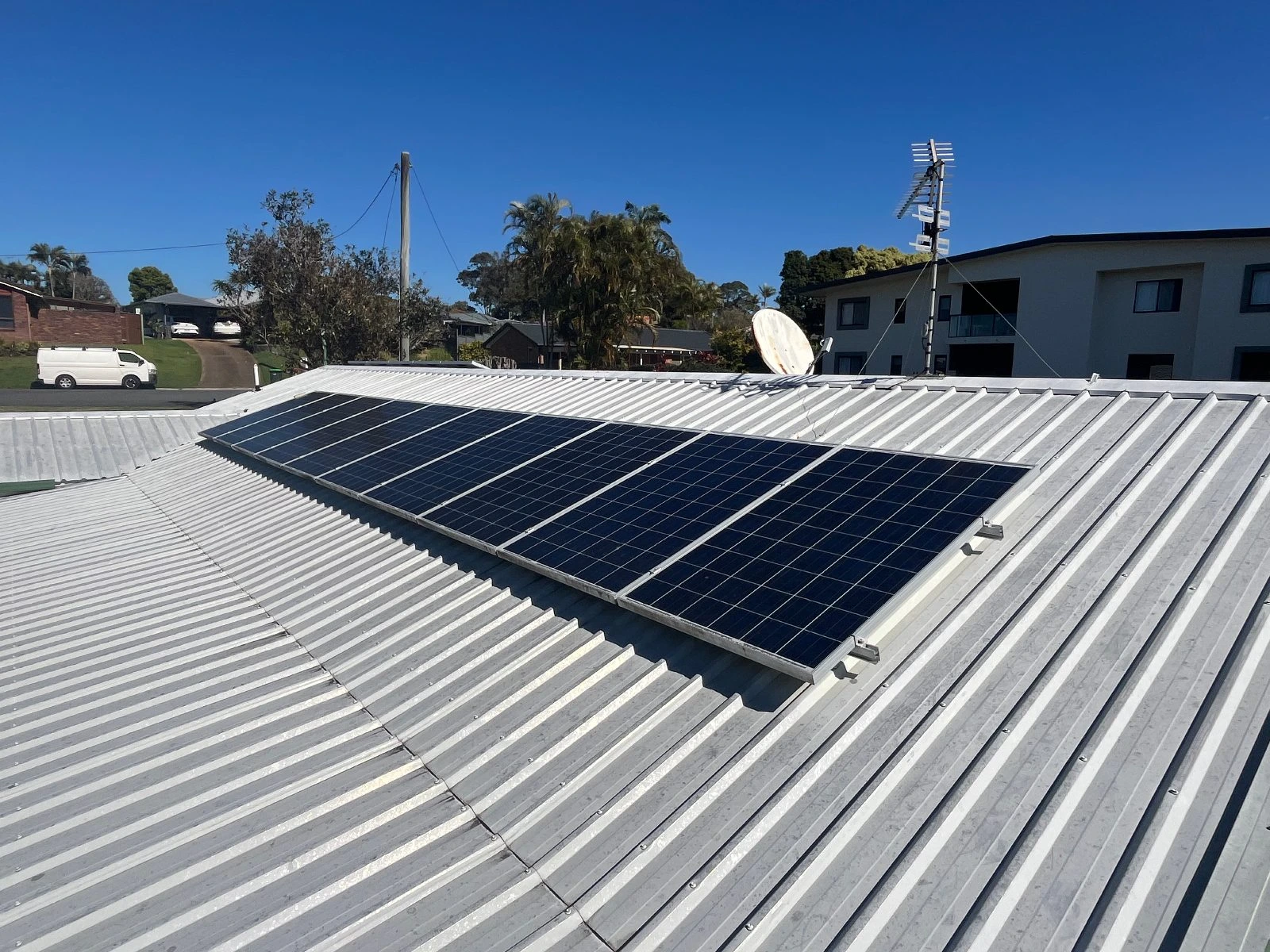
Solar panels generate electricity when sunlight reaches their photovoltaic cells. During daylight hours, your home uses available solar electricity first, while any excess generation can be exported to the electricity grid or stored in a connected battery.
Energy Storage Solutions for Solar Energy Optimisation capture surplus electricity for later use. When your solar panels stop producing enough power, your battery can supply stored electricity to compatible household circuits.
For example, a Tweed Heads household might generate surplus solar electricity while everyone is at work. Instead of exporting all that energy, a battery can retain some for evening lighting, cooking and household appliances.
According to the Australian Government’s solar and battery guidance, batteries can provide electricity when solar panels are not generating sufficient energy.
Why Energy Storage Solutions for Solar Energy Optimisation Matter in Tweed Heads
Tweed Heads receives useful sunlight throughout the year, making rooftop solar a practical option for many residential properties. However, solar generation and household electricity consumption do not always happen simultaneously.
Many households consume more electricity during the evening when family members return home, prepare meals and use entertainment systems.
Energy Storage Solutions for Solar Energy Optimisation help address this difference between daytime generation and evening consumption.
Homeowners can benefit from:
-
Greater solar self-consumption: Use more electricity generated by your existing panels.
-
Reduced grid dependence: Draw less electricity from the network when battery energy is available.
-
Better energy management: Monitor solar production, battery charging and household consumption.
-
Potential backup capability: Maintain selected essential circuits during outages if the system supports backup operation.
Actual performance depends on your solar generation, battery capacity and daily electricity requirements.
Choosing the Right Battery Storage System
Selecting suitable Energy Storage Solutions for Solar Energy Optimisation involves more than choosing the largest available battery.
Your system should match your household’s electricity consumption, existing solar equipment and expected future needs.
Understanding Battery Capacity
Battery capacity is measured in kilowatt-hours (kWh). This measurement indicates how much electrical energy a battery can store.
For example, if your household consumes approximately 8 kWh overnight, a battery with 8 kWh of usable capacity could theoretically cover that demand. Actual performance depends on conversion losses, available charge and appliance usage.
A qualified installer can assess these factors before recommending equipment.
Battery Compatibility
Not every solar inverter supports direct battery integration.
Energy Storage Solutions for Solar Energy Optimisation may require a compatible hybrid inverter or an AC-coupled battery arrangement.
Your installer should check your existing inverter, electrical switchboard, available installation space and network connection requirements.
How to Maximise Your Stored Solar Electricity
Installing Energy Storage Solutions for Solar Energy Optimisation is only one part of improving household electricity efficiency.
Your everyday electricity habits also influence how effectively your solar and battery system performs.
Consider these practical steps:
-
Run major appliances during daylight: Schedule washing machines and dishwashers when solar generation is available.
-
Monitor your solar production: Use your inverter’s monitoring application to identify generation patterns.
-
Manage evening electricity use: Avoid operating several high-consumption appliances simultaneously where practical.
-
Review battery settings: Ask your installer whether charging schedules and reserve settings suit your household.
-
Track energy consumption: Compare daily solar generation with your electricity usage before making further upgrades.
These adjustments can improve energy efficiency without requiring additional equipment.
Can Solar Batteries Power Your Home During a Blackout?
Many homeowners considering Energy Storage Solutions for Solar Energy Optimisation also want protection against electricity outages.
However, installing a battery does not automatically provide backup electricity.
Some systems require additional backup hardware and suitable inverter configurations. Others may only support selected circuits, such as refrigeration, lighting and essential power outlets.
The Australian Government’s battery information explains that backup operation depends on how the system is designed and configured.
Discuss backup requirements with your electrician before installation, particularly if uninterrupted electricity is a priority.
Understanding Battery Installation and Australian Safety Standards
Professional installation is essential when integrating Energy Storage Solutions for Solar Energy Optimisation into an existing electrical system.
Australian battery installations must comply with relevant electrical safety requirements, including AS/NZS 5139, which addresses battery installation safety.
The NSW Government’s battery standards guidance explains the updated requirements introduced through Amendment 1.
Energy Storage Solutions for Solar Energy Optimisation also require consideration of battery placement, ventilation, electrical protection and suitable mounting arrangements.
Homeowners should never attempt battery wiring or electrical modifications themselves.
Are Solar Batteries Suitable for Existing Solar Systems?
Existing rooftop solar owners can often add Energy Storage Solutions for Solar Energy Optimisation without replacing every component.
However, compatibility depends on equipment specifications, installation age and electrical infrastructure.
A professional assessment can determine whether your current inverter supports battery integration or whether additional equipment is necessary.
For Tweed Heads homeowners planning future renovations, electric vehicle charging or increased electricity consumption, battery expandability may also influence system selection.
When to Call a Professional
If your solar panels regularly produce excess daytime electricity while your household continues drawing power from the grid at night, professional advice can help determine whether battery storage suits your property.
JA Electrical and Solar can assist homeowners in Tweed Heads with electrical and solar system enquiries, including discussing Energy Storage Solutions for Solar Energy Optimisation.
A suitable assessment should review your electricity consumption, existing solar equipment and installation requirements.
Contact JA Electrical and Solar to discuss your solar storage needs and explore options appropriate for your household.
Conclusion
Energy Storage Solutions for Solar Energy Optimisation allow homeowners to make better use of electricity generated by rooftop solar panels.
With appropriately sized batteries, compatible equipment and sensible electricity habits, you can increase solar self-consumption and reduce reliance on grid power after sunset.
JA Electrical and Solar can help you explore Energy Storage Solutions for Solar Energy Optimisation in Tweed Heads. Get in touch to discuss your existing solar system and the options available for improving nighttime electricity usage.
Frequently asked questions
1. Can solar batteries store enough electricity for the entire night?
Yes, depending on battery capacity and household consumption. Energy Storage Solutions for Solar Energy Optimisation can support overnight electricity needs when appropriately sized, although available stored energy varies.
2. Can I add a battery to my existing solar panels?
Many existing solar systems can accommodate battery storage. Your electrician must assess inverter compatibility, switchboard requirements and the appropriate battery connection method.
3. Do solar batteries work during cloudy weather?
Yes. Batteries can store electricity generated during periods of available sunlight. However, extended cloudy conditions may reduce charging, meaning your household could need additional grid electricity.
4. How long do residential solar batteries last?
Many residential lithium-ion batteries are designed for approximately 10–15 years of service, although actual lifespan varies with operating conditions, battery chemistry and usage. Check the manufacturer’s warranty and performance specifications before installation.
Talk to JA Electrical & Solar about your project
Tell us about your property and what you want to achieve, and we’ll point you in the right direction.
Get a Free QuoteCall 0490 777 136
Solar • Battery • Level 2 Electrical
Northern Rivers to the Gold Coast
Done Properly. Backed After We Leave.