A Ballina veterinary clinic was told it needed a $100,000–$120,000 electricity supply upgrade. We’re installing a commercial solar and battery system to give it the headroom it needs on the existing grid connection instead.
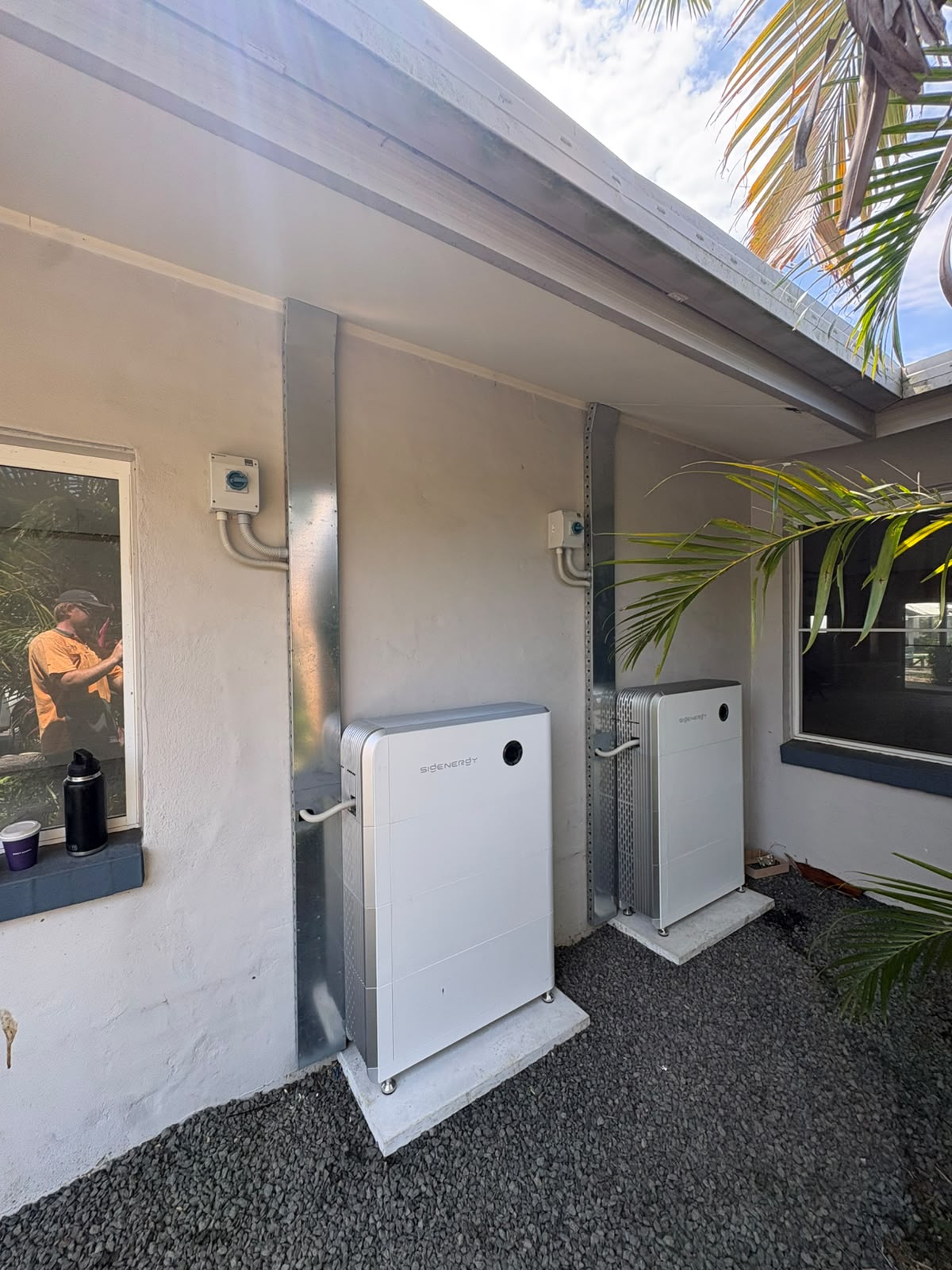
A commercial solar and battery installation in Ballina, NSW
We’re working on a commercial property in Ballina that’s being converted into a veterinary clinic. With X-ray equipment and other new loads going in, the owners were concerned that the existing electricity supply wouldn’t be sufficient.
Their original plan was to upgrade the building’s electrical supply from 100 amps to 160 amps. After making enquiries with Essential Energy, they found out the upgrade could require a new transformer, upgraded cabling and a new switchboard. The estimated cost was $100,000–$120,000.
That’s a significant amount to spend before the business has even opened.
Could solar and batteries be a better option?
We’re installing a commercial solar and battery system designed to support the clinic’s occasional high-power loads using the existing grid connection. Here are the two paths side by side.
Network upgrade
Upgrade the supply from 100 to 160 amps. This could mean a new transformer, upgraded cabling and a new switchboard, at an estimated $100,000–$120,000.
Solar and batteries
Install solar, hybrid inverters and battery storage to support occasional high-power loads on the existing grid connection, at approximately $100,000.
The system at a glance
| Component | Detail |
|---|---|
| Solar panels | 70 kW |
| Hybrid inverters | Two 25 kW Sigenergy units |
| Battery storage | Approximately 50 kWh, with the option to expand later |
| Power management | Sigenergy Gateway |
| Grid supply limit (metering) | Approximately 80 amps per phase |
| Feed to the distribution board | Up to 125 amps per phase, depending on solar production and battery state of charge |
The existing metering arrangement limits the grid supply to approximately 80 amps per phase. With the solar and batteries supplementing that supply, the Gateway can feed the clinic’s distribution board at up to 125 amps per phase. The additional power available at any given time depends on solar production and the battery’s state of charge.
The building keeps its existing approved grid connection capacity. The aim is to give the clinic enough headroom to run equipment like the X-ray machine alongside its other loads and avoid the larger network upgrade.
The ongoing electricity savings
The solar and battery installation will still cost approximately $100,000. That’s a substantial upfront investment.
A $120,000 network upgrade would give the clinic access to more grid power. The solar and battery system can help cover occasional high-power loads and generate electricity the clinic would otherwise have to buy. The actual savings will depend on how much electricity the clinic uses, when it uses it and how much of that usage the solar and batteries can cover.
The clinic’s current tariff has no peak demand charge, so its expected bill savings come from buying fewer kilowatt-hours from the grid. For larger businesses on demand-based tariffs, solar and batteries can also help lower demand charges if they reduce grid draw during the periods used to calculate those charges.
Why getting the electrical design right matters
The vet clinic hasn’t opened yet, so there’s no historical consumption data to work from. We’ve designed the system around the estimated requirements of the equipment being installed, with the option to expand the battery storage later if needed.
For an established business, we like to analyse at least 12 months of electricity data where it’s available. Smart meter interval data, sometimes recorded in five-minute increments, helps us see when the biggest loads occur and how long they last. A short burst of power for an X-ray machine and a heavy load that runs for hours place very different demands on a battery.
Why we always inspect a property before installation
During our initial site inspection, we discovered an issue with the existing overhead electrical supply. Near the top of the private pole, the 25 mm² cables were joined to much smaller conductors. That smaller section didn’t appear suitable for the existing supply protection.
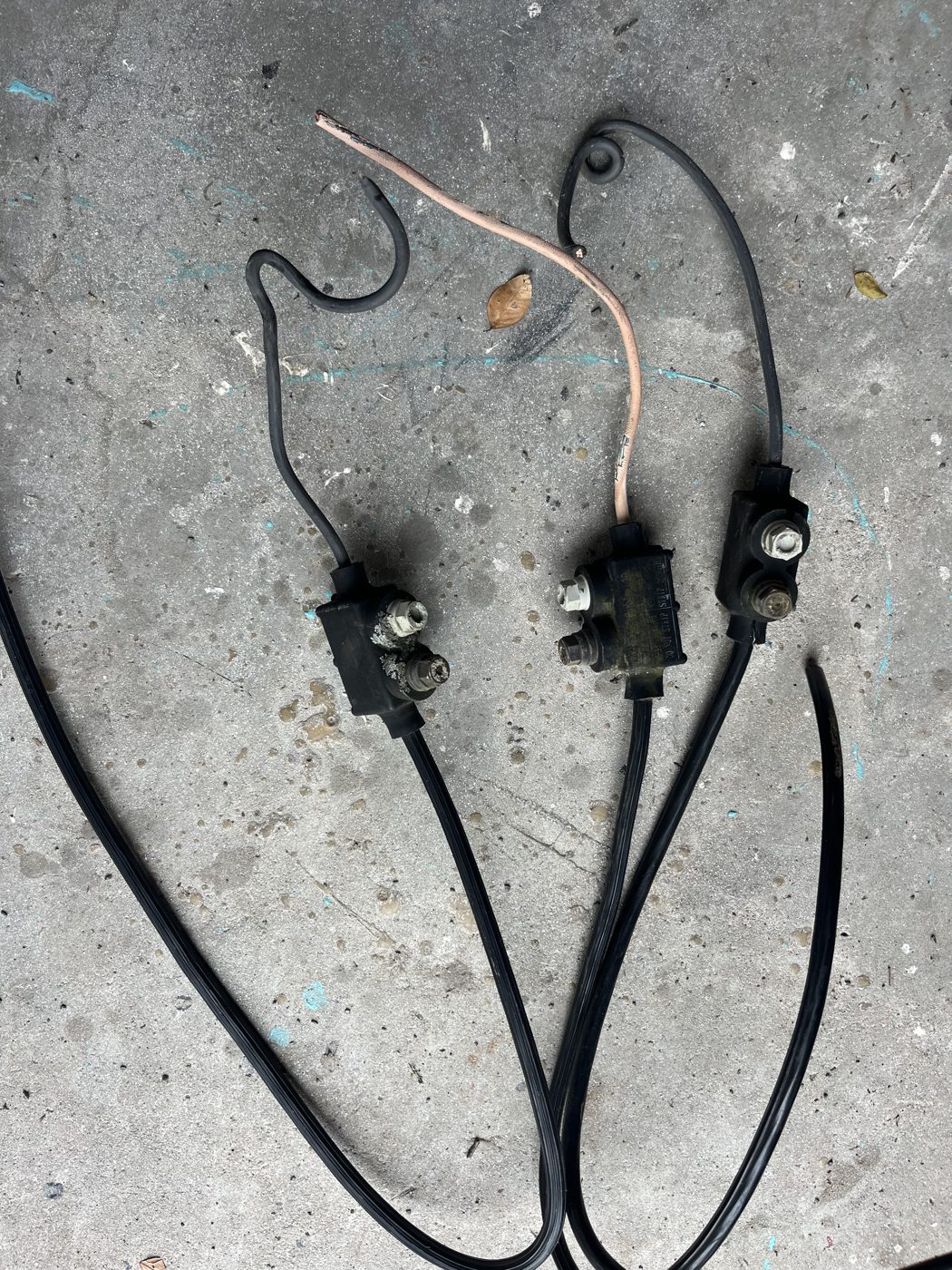
This is why buying a solar system from a retailer that sells over the phone without visiting the property can be a bad idea. A switchboard photo would have shown the larger cables at the board. We only found the smaller section by tracing the supply all the way to the pole.
- If the crew first spots an issue like this on installation day, you could be hit with a bill for electrical work you hadn’t budgeted for.
- The job could also be delayed while that work is arranged.
- By inspecting before quoting, we could include the Level 2 work in the original scope so the customer knew what they were paying for before committing.
Can it work for other commercial properties?
Solar and batteries can help a business make better use of its existing electrical supply, especially when it needs extra power for short periods. Whether that can defer a network upgrade depends on how much extra power the site needs, how often it needs it and how long those loads run.
At the Ballina vet clinic, the aim is to support occasional high-power equipment while reducing how much electricity the business buys from the grid day to day.
Frequently asked questions
Can solar and batteries help avoid a network supply upgrade?
They can help a business make better use of its existing electrical supply, especially when it needs extra power for short periods. Whether it can defer an upgrade depends on how much extra power the site needs, how often it needs it and how long those loads run.
How much was the network upgrade at the Ballina vet clinic going to cost?
The estimate was $100,000–$120,000 to go from 100 amps to 160 amps, which could require a new transformer, upgraded cabling and a new switchboard. The solar and battery installation still costs approximately $100,000.
Will the solar and battery system reduce the clinic’s electricity bill?
The clinic’s current tariff has no peak demand charge, so expected savings come from buying fewer kilowatt-hours from the grid. The actual savings depend on how much electricity the clinic uses, when it uses it and how much of that the solar and batteries can cover.
What data do you need to design a commercial solar and battery system?
For an established business we like to analyse at least 12 months of electricity data where it’s available, including smart meter interval data. It shows when the biggest loads occur and how long they last, which matters because a short burst of power and a heavy load that runs for hours place very different demands on a battery.
Why inspect the property before quoting?
Inspecting before quoting lets us find issues such as undersized conductors at the pole and include any Level 2 work in the original scope, so you know what you’re paying for before you commit.
Planning a commercial solar and battery project?
Tell us about your site. We inspect before we quote, so you know what you are paying for before you commit.
Get a Free QuoteCall 0490 777 136
Solar • Battery • Level 2 Electrical
Northern Rivers to the Gold Coast
Done Properly. Backed After We Leave.