For many Tweed Heads homeowners, Solar Panel Installation can be worthwhile when the system is properly sized for the household, the roof receives good sunlight and a reasonable amount of electricity is used during daylight hours. The best results come from matching the solar system to your actual energy habits rather than simply choosing the largest system available.
Solar can reduce how much electricity you need to buy from the grid, but every property is different. Roof orientation, shading, household consumption, inverter selection and your future plans all affect whether solar makes sense for your home.
Why Solar Makes Sense for Many Tweed Heads Homes
A residential solar system generates electricity during daylight hours. Your appliances use that solar power first, while any additional electricity you need is drawn from the grid. Depending on your electricity plan and system configuration, unused solar generation may also be exported to the network.
The biggest opportunity usually comes from using more of your solar energy inside the home. Households that regularly run air conditioning, pool pumps, washing machines, dishwashers, home offices or other appliances during the day may be able to use a larger portion of their solar generation directly.
Solar can also suit homeowners who expect their electricity consumption to increase. Adding an electric vehicle, switching appliances from gas to electricity or installing a battery later may change the amount of electricity your household needs.
Is Your Roof Suitable for Solar Panel Installation?
Before choosing panels or an inverter, your roof needs to be assessed.
A solar installer should consider:
- available roof space
- roof orientation and pitch
- shading from trees, neighbouring buildings or roof structures
- roof condition
- suitable locations for the inverter
- existing switchboard condition
- your household electricity consumption
- possible future battery or EV charging requirements
A roof does not need to face exactly north for solar to be useful. East and west-facing arrays can also work well, particularly when they better match morning or afternoon electricity use.
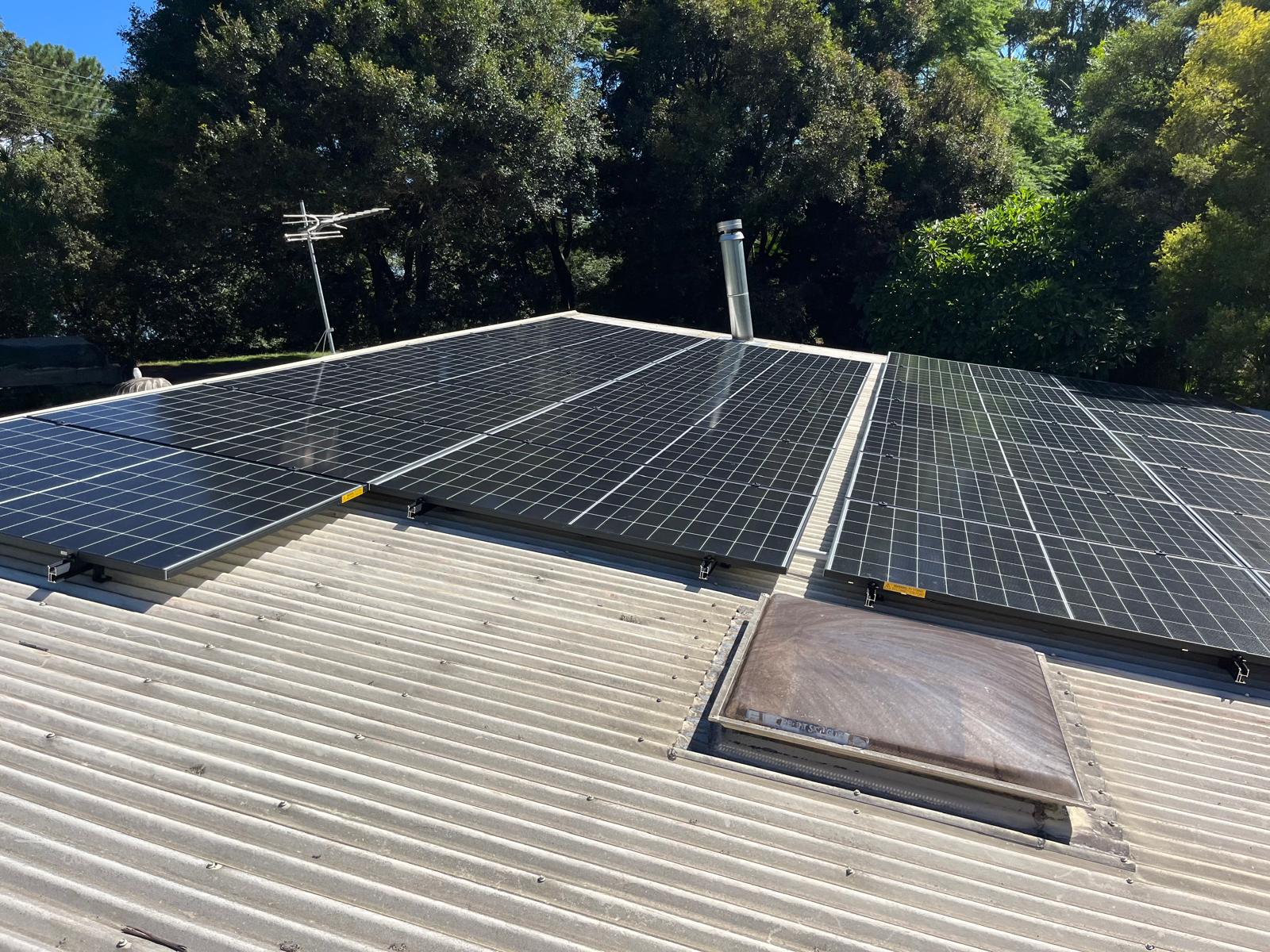
Shading deserves careful attention. Even partial shade at certain times of day can affect system output, so panel positioning and system design should account for nearby trees, antennas, chimneys and surrounding buildings.
Your Electricity Habits Matter More Than System Size
Installing more panels does not automatically mean you will receive better value.
Consider when your household actually uses electricity. If most electricity consumption occurs during daylight hours, solar generation can directly supply more of that demand. If the home is empty throughout the day and most electricity is used after sunset, your consumption pattern is different.
Before installing solar, review several recent electricity bills if possible. Look at average daily consumption and think about which appliances could reasonably operate while the panels are generating electricity.
For example, timers can often shift pool filtration, washing or dishwashing into daylight hours. These simple changes can improve the amount of generated solar electricity your home uses without requiring extra equipment.
What Size Solar System Does Your Home Need?
There is no single system size that suits every Tweed Heads property.
A smaller household with modest daytime electricity use may need a different system from a large family running air conditioning, a pool and several appliances throughout the day.
A proper system design should consider both current and expected future consumption. If you are planning an EV charger, battery storage, additional air conditioning or other electrical upgrades, mentioning these plans before installation can help your electrician design the system appropriately.
JA Electrical and Solar can assess the property, roof layout and household electricity requirements before recommending a system rather than relying solely on a standard package size.
Solar Panels, Inverters and System Quality
Panels often receive most of the attention, but the inverter is equally important. It converts the direct current produced by the solar panels into alternating current that your home can use.
When comparing systems, consider:
- Panel manufacturer and warranty
- Inverter specifications and warranty
- System design
- Installation workmanship
- Monitoring options
- After-installation documentation and support
Choosing equipment should not be based on advertised panel wattage alone. The components need to work together and suit the property’s electrical setup.
What Australian Rules Apply to Solar Installation?
Solar work in NSW must meet electrical licensing, network and Australian Standards requirements.
NSW Government guidance states that electrical wiring associated with solar installations must be carried out by appropriately licensed electrical workers. Grid-connected systems also require permission from the electricity distribution network before connection.
Photovoltaic array installations are subject to AS/NZS 5033, while electrical installations must comply with applicable wiring requirements. NSW guidance also requires a compliant PV system layout at the main switchboard or meter panel for relevant installations.
After electrical work is completed, the electrician must provide a Certificate of Compliance for Electrical Work. Since 1 July 2026, NSW CCEWs must be submitted through the Building Commission NSW eCert system.
These requirements are one reason rooftop solar should not be treated as a DIY electrical project.
Should You Add a Solar Battery?
A battery is not automatically required with Solar Panel Installation.
Solar panels can operate as a standard grid-connected system without battery storage. A battery stores some excess solar generation so it can potentially be used later, including after the panels have stopped producing electricity for the day.
Whether a battery suits your home depends on electricity consumption, solar production, available space, system compatibility and what you want the battery to achieve.
If you expect to add a battery later, tell your installer during the initial design stage. Battery installations also have specific safety requirements, including requirements under AS/NZS 5139 concerning installation locations and equipment setup.
Signs Solar May Be Worth Considering
Solar Panel Installation may suit your Tweed Heads home if you:
- own a property with suitable unshaded roof space
- regularly use electricity during daylight hours
- plan to stay in the property for several years
- operate energy-intensive equipment such as pool pumps or air conditioning
- expect your electricity consumption to grow
- want to reduce reliance on grid electricity
Solar may be less straightforward if your roof is heavily shaded, requires major repairs or has very limited usable space. In those situations, completing roof repairs or obtaining a detailed site assessment first can prevent problems later.
When to Call a Professional
You should speak with a qualified solar electrician before purchasing equipment if you are unsure about your roof layout, switchboard capacity, electricity consumption or the system size your property needs.
A professional assessment can identify shading, roof limitations, electrical upgrades and network requirements before installation starts. NSW also requires licensed electrical professionals to complete solar electrical wiring and compliance work.
For homeowners considering Solar Panel Installation in Tweed Heads, JA Electrical and Solar can assess your household energy requirements and recommend a system designed around the property. Arrange a site assessment to understand what system configuration may suit your home.
Conclusion
Solar Panel Installation can be worthwhile for Tweed Heads homeowners when the roof, electricity consumption and system design work together. The key is choosing a system based on your actual household requirements rather than simply installing the largest number of panels possible.
Review your electricity use, check your roof condition and think about future appliances, batteries or EV charging before making a decision. JA Electrical and Solar can help assess your property and design a compliant solar system suited to the way you use electricity.
Frequently Asked Questions
Is Solar Panel Installation worth it in Tweed Heads?
It can be worthwhile for homes with suitable roof space and regular electricity use during daylight hours. Your roof orientation, shading, consumption and system design will determine how effectively you can use the electricity generated.
Does my roof need to face north for solar panels?
No. North-facing panels are common, but east and west-facing panels can also provide useful generation. The best layout depends on available roof space, shading and when your household uses electricity.
Can I install solar panels myself?
Rooftop mounting and electrical work involve significant safety and compliance requirements. In NSW, solar electrical wiring must be completed by appropriately licensed electrical workers, and grid-connected systems require network approval.
Do I need a battery when installing solar panels?
No. A standard grid-connected solar system can operate without a battery. Battery storage may suit households wanting to store excess daytime generation for later use, but whether it is appropriate depends on your electricity habits and system design.