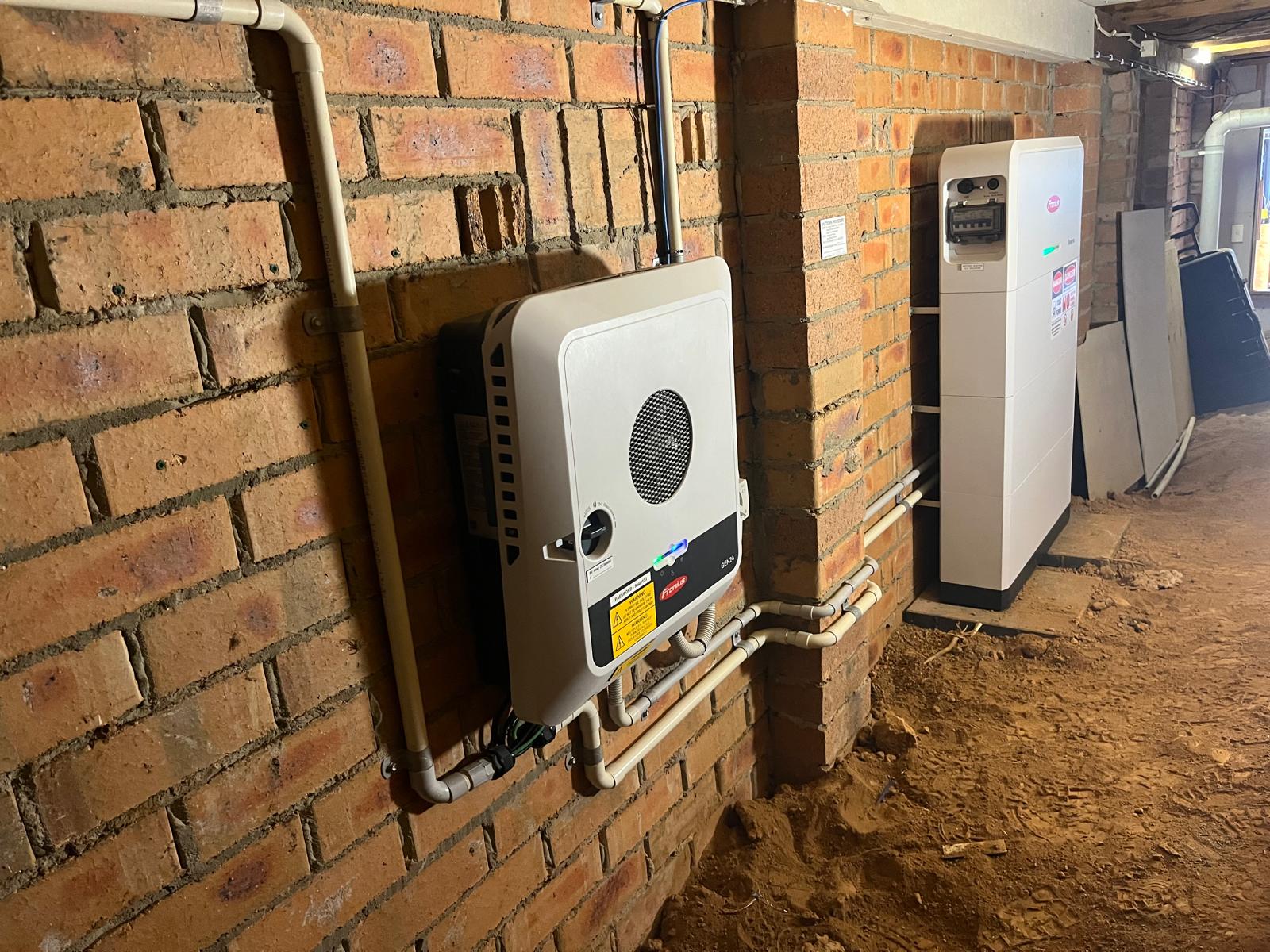
Solar inverter replacement in Tweed Heads usually costs about $1,500–$3,500 installed for a standard string inverter, and about $2,500–$5,000 for a battery-ready hybrid inverter. Most inverters last 10–15 years. If yours is showing faults, has stopped producing power, or is past that age, replacing it is often better value than repairing it.
A lot of homes around Tweed Heads, Banora Point and Kingscliff had solar fitted 10 or more years ago. The panels usually still have years left in them, but the inverter is the part that wears out first. Coastal salt air, heat and inverters mounted in full afternoon sun all shorten its life. This guide covers the warning signs, costs, Essential Energy approval, and whether to go like-for-like or upgrade to a hybrid.
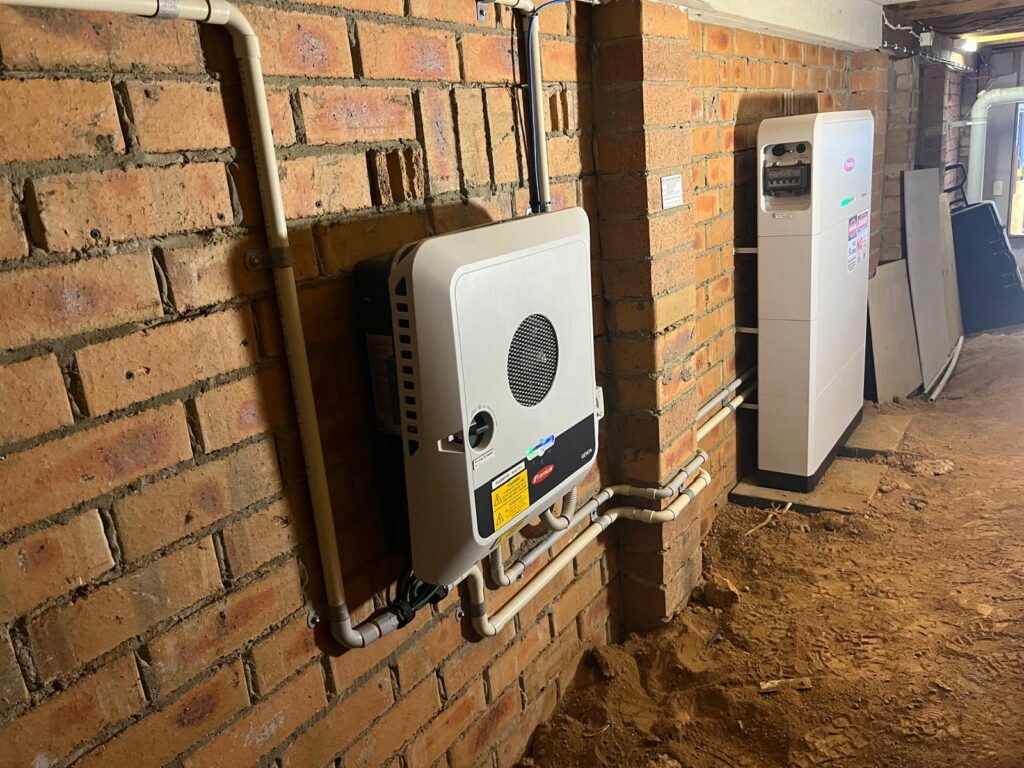
What are the signs your solar inverter needs replacing?
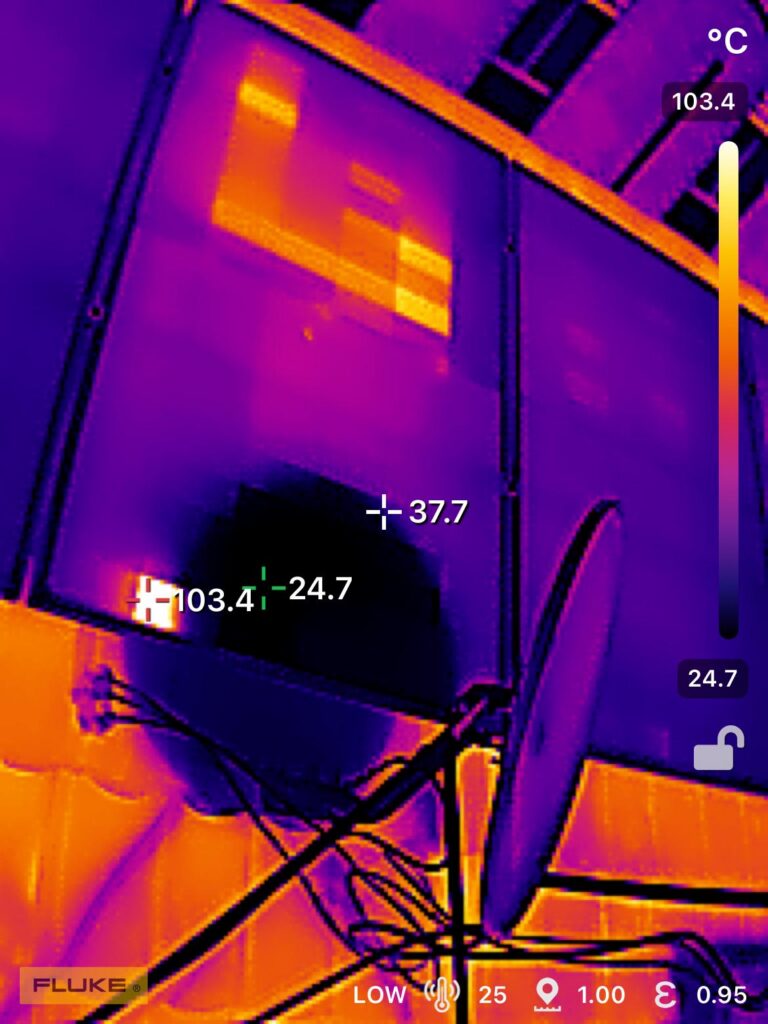
The most common sign is a fault code or red light that keeps coming back, or a monitoring app showing little or no production on sunny days. Other warning signs include:
- A red or orange fault light, or an error message
- A blank screen or no display
- Production dropping well below previous years
- The inverter repeatedly switching off or restarting
- Buzzing, crackling or a burning smell
- Heat damage, rust or water inside the enclosure
- The inverter is 10–15 years old or older
- The brand is gone and parts or warranty support aren’t available
Don’t open the inverter or isolators yourself. Solar panels keep producing DC voltage whenever there’s light, even when the system is switched off. Our solar fault finding guide explains how an electrician tests a system safely to find the actual problem.
What is the lifespan of a solar inverter?
Most string inverters last around 10–15 years. Microinverters and premium brands can last longer. Panels usually last 25 years or more, so most systems need at least one inverter replacement in their life.
In coastal areas like Tweed Heads, these things shorten inverter life:
- Heat: inverters mounted on west-facing walls in full afternoon sun run hotter and wear out sooner.
- Salt air and moisture: these corrode terminals and get into enclosures, especially near the beach and river.
- Poor ventilation: inverters crammed into tight spaces or behind sheeting.
- Grid voltage: high network voltage can make inverters trip and work harder.
How much does it cost to replace a solar inverter?
Most Tweed Heads homes pay $1,500–$3,500 to replace a standard string inverter, including installation. Hybrid and three-phase inverters cost more. These are typical 2026 ranges, not a quote:
| Replacement type | Typical installed price | Notes |
|---|---|---|
| 3–5 kW string inverter | $1,500 – $2,800 | Common for older 1.5–5 kW systems |
| 6–10 kW string inverter | $2,200 – $3,500 | Larger or newer systems |
| Hybrid (battery-ready) inverter | $2,500 – $5,000 | Lets you add a battery now or later |
| Microinverter or optimiser swap | $250 – $500 per panel | Shaded roofs or mixed orientations |
Expect to pay more if the DC isolators, cabling or AC protection don’t meet current standards, the switchboard needs work, or the inverter has to be moved to a safer or cooler spot.
Should I repair or replace my solar inverter?
Repair can make sense if the inverter is under 7–8 years old, still under warranty, and the fault is minor. Replacement is usually better value when:
- the inverter is out of warranty and more than about 10 years old
- the repair quote is more than half the cost of a new inverter
- the manufacturer has left Australia or parts aren’t available
- you want to add a battery, or to monitor your system from your phone
- there’s heat or water damage in the inverter or isolators
If the inverter is still under warranty, the manufacturer may replace it, though you may still pay labour. Check your paperwork before you book anything.
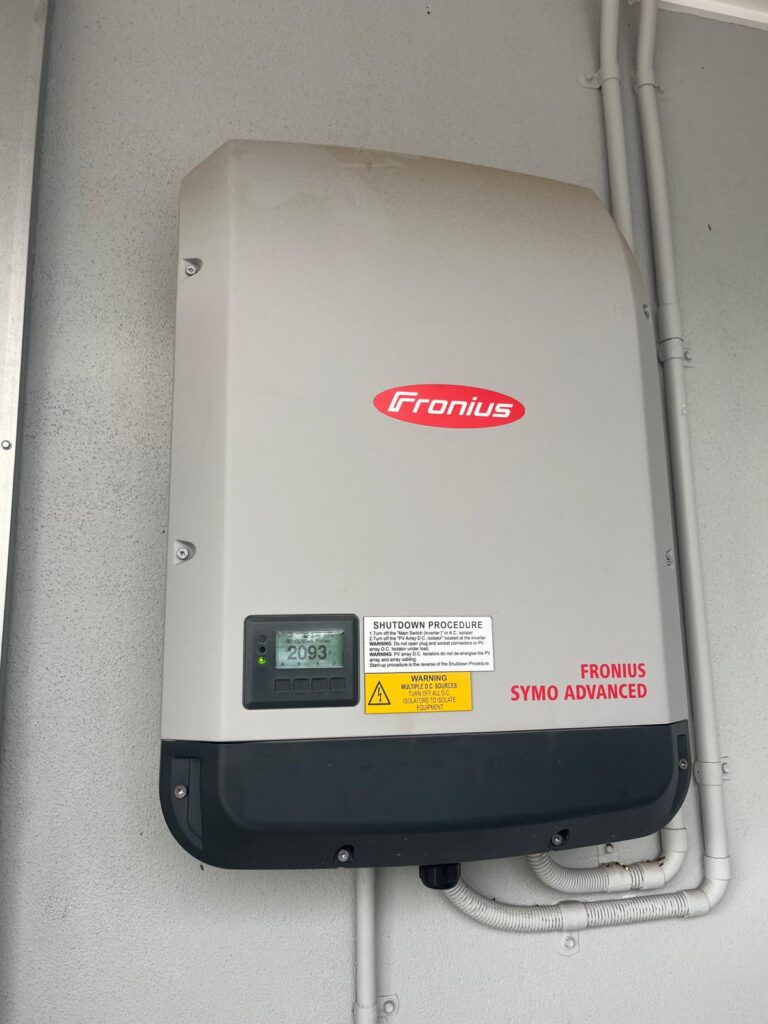
Like-for-like replacement or hybrid upgrade?
Like-for-like string inverter
The lowest-cost option, sized to suit your existing panels. Best if you don’t plan to add a battery.
Hybrid inverter
It manages both the panels and a battery. It costs more now, but adding a battery later is simpler and usually cheaper.
Full system upgrade
If your panels are small, old or damaged, a new system can be better value than putting a new inverter on 15-year-old panels.
Thinking about a battery? Our solar battery cost guide explains the 2026 battery discount and how to size a battery. The same rules apply in the Tweed.
Do I need Essential Energy approval to replace an inverter?
Yes. In the Tweed and Northern Rivers, Essential Energy is the network operator, and an application is needed before an existing inverter is replaced. Your installer lodges it through the Essential Connections portal and sets any export limit that applies.
- The new inverter must be on the approved list and compliant with AS/NZS 4777.2:2020.
- It must be set to the correct grid protection settings for the Essential Energy network.
- Export limits may apply, depending on your connection and the size of the inverter.
- Over the border on the Gold Coast, Energex rules apply instead.
Essential Energy sets out the current process on its solar and small generators page.
What else should be checked when the inverter is replaced?
Replacing the inverter is a good time to inspect the whole system. On older Tweed systems we often find degraded DC isolators, rooftop isolators with water getting in, sun-damaged cable, and connectors that don’t match. Our solar isolator fire inspection shows what can happen when these are missed.
We replace and upgrade inverters across Tweed Heads, Tweed Heads West, Banora Point, Terranora, Kingscliff and the southern Gold Coast. See our solar inverters page, or solar in Banora Point and Kingscliff.
Frequently Asked Questions
How much do solar inverters cost to replace?
In 2026, replacing a standard 3–10 kW string inverter in Tweed Heads usually costs $1,500–$3,500 installed. A battery-ready hybrid inverter is typically $2,500–$5,000. Extra electrical work, such as new isolators or switchboard upgrades, adds to the cost.
What is the lifespan of a solar inverter?
Most string inverters last 10–15 years, and panels last 25 years or more. Heat, coastal salt air, poor ventilation and high grid voltage can shorten an inverter’s life, so where it’s mounted matters.
Can I replace my own solar inverter?
No. Inverter replacement involves high-voltage DC and AC work, and must be done by a licensed electrician who holds the appropriate solar accreditation. In the Tweed, an Essential Energy application is also needed before the inverter is changed.
Do I need approval to replace a solar inverter in NSW?
In the Essential Energy area, which includes Tweed Heads and the Northern Rivers, you must apply through the Essential Connections portal before replacing an existing inverter. The new inverter must meet AS/NZS 4777.2:2020 and the network’s settings.
Is it worth replacing the inverter on an old solar system?
Usually yes, if the panels are in good condition and reasonably sized. If you have a small 1.5–3 kW system with ageing panels, a full upgrade often gives better value and more generation than a new inverter alone.
Why are people getting rid of their solar panels?
Most replacements are older systems from 2008–2013 with failed inverters, degraded panels or unsafe isolators. Owners are upgrading to larger, more efficient, battery-ready systems rather than repairing equipment that has reached the end of its life.
Inverter faulty in Tweed Heads?
We’ll test the system, find the actual fault and tell you honestly whether a repair, a like-for-like replacement or a hybrid upgrade makes the most sense, and we handle the Essential Energy application for you.
Book an Inverter InspectionCall 0490 777 136
Solar • Battery • Level 2 Electrical
Northern Rivers to the Gold Coast
Done Properly. Backed After We Leave.