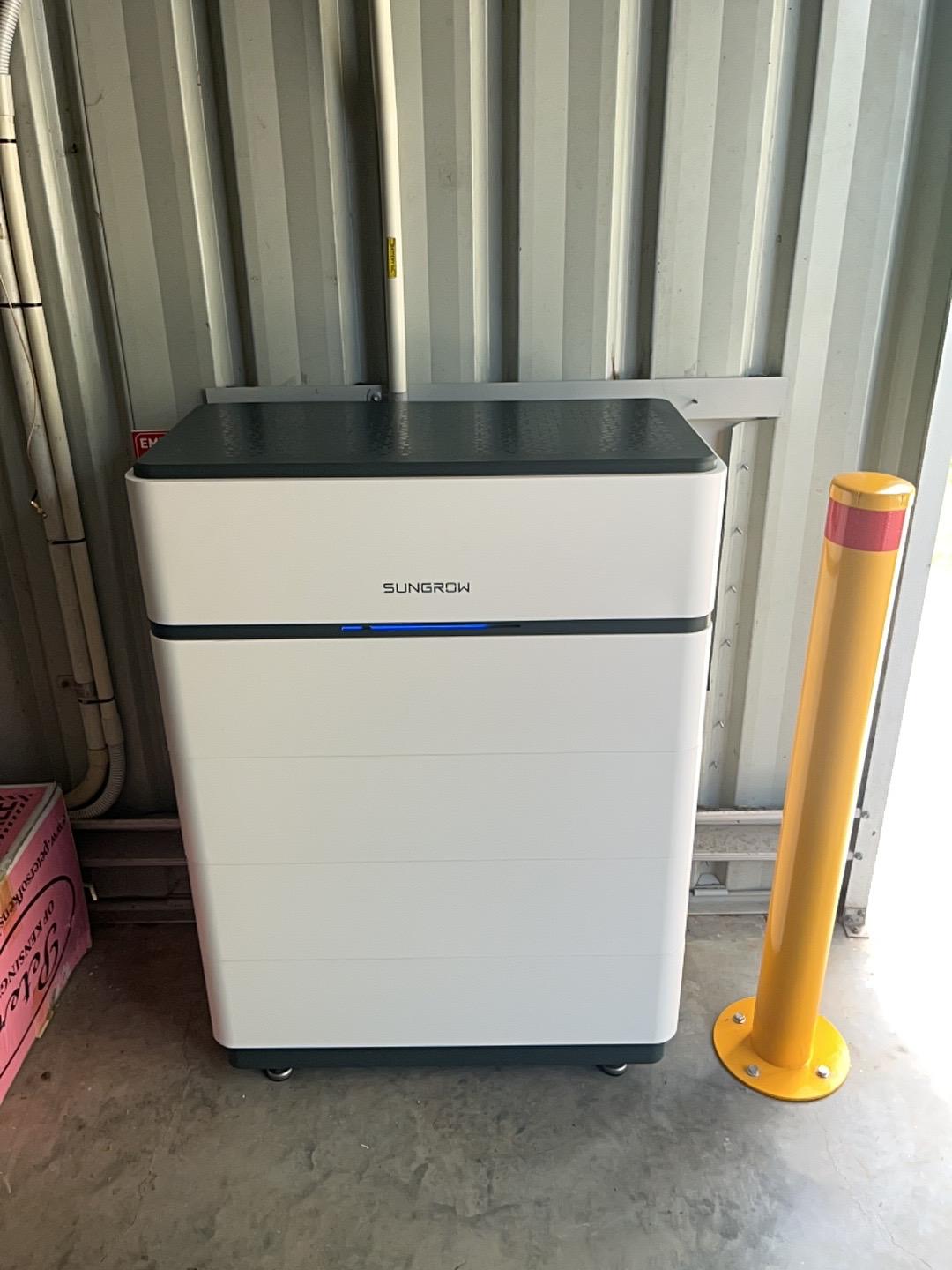
For many Tweed Heads households, Solar Battery Solutions can be worthwhile when you already have solar panels and want to use more of your own electricity after sunset. A battery stores surplus solar energy generated during the day, helping reduce grid dependence, improve solar self-consumption and, with the right system, provide backup power during outages.
Whether a battery makes sense for your home depends on how much electricity you use, when you use it, the size of your solar system and your goals. Some households benefit considerably from battery storage, while others may get better results by first improving how they use their existing solar power.
How Does a Home Solar Battery Work?
Solar panels usually produce their highest output during daylight hours. The problem is that many households use more electricity in the early morning and evening, when solar production is low or has stopped.
A battery captures excess electricity that your solar panels would otherwise send back to the electricity grid. That stored electricity can then be used later for lighting, appliances, refrigeration, air conditioning and other household loads.
A typical system includes solar panels, an inverter, battery storage and energy-management equipment. Depending on the equipment installed, your system may automatically decide when to charge the battery, supply the home or draw electricity from the grid.
Why Solar Battery Solutions Appeal to Tweed Heads Homes
Tweed Heads receives strong levels of sunshine across much of the year, which gives properly designed rooftop solar systems regular opportunities to generate electricity. Battery storage allows homeowners to keep more of that energy for later rather than relying entirely on the grid once the sun goes down.
There are several reasons homeowners consider battery storage:
- Increase the amount of solar electricity used within the home
- Reduce electricity drawn from the grid during evening periods
- Keep stored energy available for selected circuits during outages, where backup capability is installed
- Monitor household electricity production and consumption
- Prepare for changing household energy needs, such as electric vehicles or additional appliances
The strongest case for battery storage is usually a household that produces substantial excess solar during the day but consumes significant electricity after sunset.
Are Solar Battery Solutions Right for Your Electricity Usage?
Before installing Solar Battery Solutions, look at your actual electricity habits rather than choosing a battery based only on its advertised capacity.
Check several recent electricity bills and, if your solar inverter has monitoring software, review when your solar system produces electricity and when your home consumes it. A household that exports a large amount of solar electricity during the day and then imports electricity every evening may have a good opportunity to increase self-consumption with a battery.
Your daily routine matters too. If someone is home throughout the day and already runs the washing machine, dishwasher, pool equipment and other appliances while solar production is high, there may be less excess electricity available to store.
Start With Your Existing Solar System
Battery performance depends heavily on the solar system charging it.
An undersized rooftop system may struggle to produce enough surplus electricity to charge a large battery after normal daytime household consumption. Before adding storage, check your existing panel capacity, inverter specifications, historical solar production and available roof space.
JA Electrical and Solar can assess the relationship between your solar generation and household electricity use rather than treating the battery as a separate piece of equipment.
Choosing the Right Battery Capacity
Bigger isn’t automatically better. An oversized battery may regularly remain partly empty, while an undersized battery could run out early in the evening.
When considering battery capacity, look at:
- Your average daily electricity consumption
- How much electricity you use after sunset
- How much excess solar your system exports
- The usable capacity of the battery
- Maximum charge and discharge rates
- Whether you want backup power
- Expected changes such as an EV, pool or home extension
Battery specifications normally distinguish between total capacity and usable capacity. The usable figure is particularly relevant because it indicates how much stored energy is actually available for regular household use.
Can a Solar Battery Keep Your Home Running During a Blackout?
Not every battery automatically provides blackout protection.
Some systems require dedicated backup hardware and electrical configuration before they can supply electricity when the grid fails. Depending on the system, backup may cover only essential circuits such as refrigeration, lighting and selected power points rather than the entire property.
If blackout protection is one of your main reasons for installing Solar Battery Solutions, make this clear before selecting equipment. The battery, inverter and switchboard arrangement need to support the type of backup you expect.
High-demand appliances can also affect how long stored electricity lasts. Running large air conditioners, electric hot water systems or multiple appliances at the same time can drain available battery capacity much faster.
What Should You Check Before Installing a Battery?
A battery installation should be based on your property rather than a generic package.
Before proceeding, check:
- Existing solar panel and inverter compatibility
- Available battery installation space
- Switchboard condition and capacity
- Household consumption patterns
- Battery usable capacity and warranty conditions
- Backup power requirements
- Monitoring features
- Future electricity needs
Battery systems also need suitable installation locations with required clearances and protection. Australian battery installations are subject to electrical and safety requirements, including AS/NZS 5139 for battery energy storage systems and relevant electrical installation standards.
A licensed electrical professional should assess the site and ensure the system is installed correctly.
Can You Improve Solar Usage Without a Battery?
Yes. A battery isn’t the only way to use more of your solar electricity.
Start by shifting flexible electricity consumption into daylight hours. Running washing machines, dishwashers, pool pumps and other suitable appliances while your panels are generating can reduce the amount of electricity exported to the grid.
Timers, appliance schedules and energy-monitoring tools can make this easier. For some Tweed Heads households, changing when electricity is used can provide a noticeable improvement before battery storage is considered.
This is also useful when assessing a future battery because it gives you a clearer picture of how much surplus solar remains available for storage.
When to Call a Professional
Consider speaking with a qualified solar electrician when you’re unsure whether your current system can support a battery, you want blackout backup, your switchboard requires assessment or you need help matching storage capacity to actual electricity consumption.
JA Electrical and Solar can assess your existing solar setup, household usage and future requirements before recommending an appropriate system. A site-specific assessment helps ensure the battery, inverter and electrical installation work together safely rather than relying on a one-size-fits-all setup.
Conclusion
Solar Battery Solutions can be a practical option for Tweed Heads homeowners who generate excess solar electricity during the day and regularly rely on grid electricity at night. The right battery can increase solar self-consumption, reduce grid dependence and potentially provide backup electricity when correctly configured.
The decision should still be based on your solar generation, electricity habits, equipment compatibility and backup requirements. If you’re considering battery storage, JA Electrical and Solar can assess your home and help determine whether a battery suits your existing solar system and daily energy needs.
Frequently Asked Questions
How long does a home solar battery usually last each night?
It depends on the battery’s usable capacity and how much electricity your household consumes. Essential appliances may run for many hours, while high-demand equipment can use stored electricity much faster.
Can I add a battery to my existing solar panels?
Often, yes. Compatibility depends on your existing inverter, solar system design, switchboard and the battery technology being considered. An electrician should inspect the system before equipment is selected.
Do solar batteries charge when the weather is cloudy?
Yes, provided your solar panels are still generating more electricity than your home is consuming. Solar production is generally lower under heavy cloud, so charging may take longer or the battery may not reach full capacity.
Do Solar Battery Solutions provide power during every blackout?
Not automatically. The battery system must include compatible backup equipment and be configured to operate safely when grid electricity fails. Confirm the required backup circuits and system capability before installation.