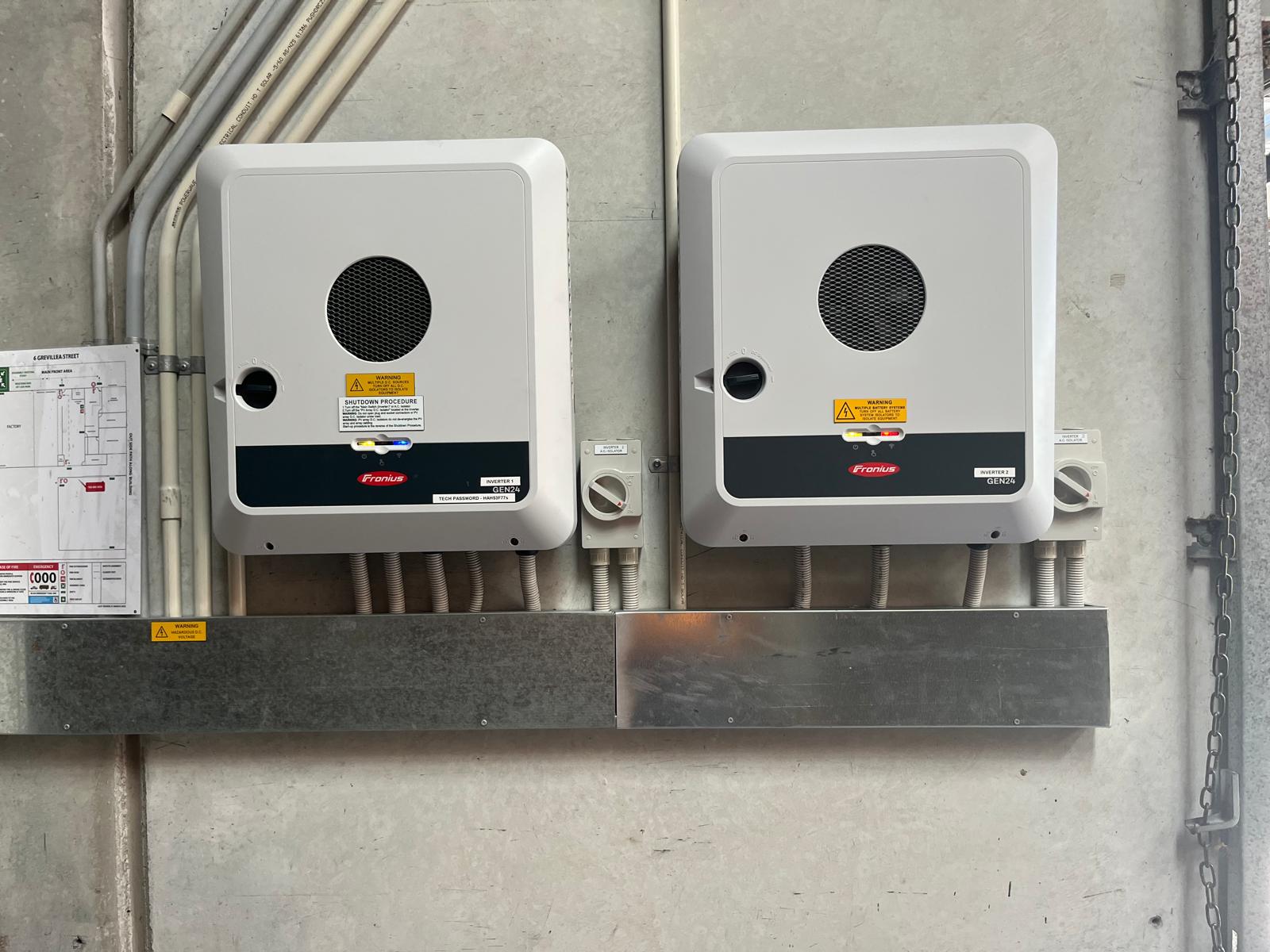
Yes, solar inverters can be installed outside, provided the inverter is designed for outdoor use and installed in a suitable protected location. In Tweed Heads, an outdoor inverter should be kept away from excessive direct sunlight, moisture exposure and poor ventilation while meeting the manufacturer’s requirements and relevant Australian electrical standards.
For many homes, an external wall can be a practical location for a solar inverter. However, choosing the wrong position can expose the unit to unnecessary heat, rain or coastal conditions that may affect its performance and lifespan.
Understanding where an inverter should go can help you plan a safer and more practical solar installation.
Can Solar Inverters Be Installed Outside Safely?
Can solar inverters be installed outside without a dedicated enclosure? In many cases, yes. Modern solar inverters commonly have an IP rating that indicates their resistance to dust and water, but that does not mean they should be placed anywhere outdoors. The manufacturer’s installation manual should specify whether the inverter is suitable for outdoor mounting and the environmental conditions it can tolerate. Installation instructions also set minimum clearances and ventilation requirements that need to be followed. A suitable outdoor installation normally keeps the inverter protected from prolonged direct sunlight, heavy rain exposure and areas where water can collect around electrical equipment. In Australia, grid-connected inverter systems are covered by standards including AS/NZS 4777.1:2024, which addresses installation requirements for inverter energy systems. Solar PV installations also interact with requirements under standards such as AS/NZS 5033:2021 and the AS/NZS 3000 Wiring Rules.Why Inverter Location Matters
Your inverter converts the DC electricity generated by solar panels into AC electricity that can be used within your home or exported to the electricity network. While an inverter is designed to manage electrical loads, excessive heat can make its job harder. Many inverters reduce their output when internal temperatures become too high, a process commonly known as thermal derating. That makes shade and ventilation particularly relevant in Tweed Heads, where outdoor electrical equipment can experience strong sun, heat, humidity and heavy rain during parts of the year. A well-positioned inverter can also make inspections, servicing and fault diagnosis easier.Where Is the Best Outdoor Location for a Solar Inverter?
If solar inverters can be installed outside, the next issue is deciding where to put one. A sheltered wall near the switchboard is often practical, provided it meets the inverter manufacturer’s requirements. The position should allow sufficient airflow and safe access for maintenance. Good installation locations may include:- A shaded side wall of the house
- An external garage wall
- A covered utility area
- A sheltered wall protected by an appropriate awning
- Another accessible external location approved by the installer
Can an Inverter Be Exposed to Rain?
An outdoor-rated inverter may have protection against water ingress, but its exact capability depends on its IP rating and manufacturer’s instructions. An IP rating consists of numbers describing protection against solid objects and water. For example, an inverter with an appropriate weather-resistant rating may be designed for external installation. However, weather resistance should not be treated as an invitation to place an inverter in the most exposed part of the property. Providing additional shelter can help reduce exposure to driving rain, direct sun and debris, as long as the shelter does not block required airflow. The Clean Energy Council requires inverter documentation to identify installation location requirements, mounting instructions, minimum clearances and ventilation requirements.Should You Install an Inverter in Direct Sunlight?
Direct sunlight is one of the main factors to consider when asking can solar inverters be installed outside. An inverter already generates heat while operating. If its casing is also heated by strong sunlight, internal temperatures can rise further. Where practical, choose a shaded location or install suitable protection above the unit. Any cover should still provide the manufacturer’s required ventilation and service clearances. You should never build an improvised sealed box around an inverter. Trapping heat can create more problems than the shelter solves.What About Tweed Heads Coastal Conditions?
Properties around Tweed Heads can experience humid air and, in areas closer to the coast, increased exposure to salt in the atmosphere. Outdoor equipment should therefore be selected and positioned with the local environment in mind. Your installer should check whether the selected inverter is suitable for the property’s conditions and follow any manufacturer restrictions relating to corrosion, moisture, temperature and mounting location. Keeping an inverter away from irrigation spray, roof runoff and areas where water regularly splashes against the wall is also sensible.Outdoor Installation Versus Garage Installation
Both outdoor and garage installations can work when properly designed. A garage can provide extra protection from rain and sunlight, but it still needs adequate ventilation. Garages can become very hot, especially when they receive direct afternoon sun. Outdoor installation may provide better airflow but requires suitable weather protection and an inverter rated for the location. There is no single best position for every home. The decision should consider:- Manufacturer installation requirements
- Shade and heat exposure
- Ventilation
- Distance from the switchboard and solar array
- Weather and moisture exposure
- Safe access for servicing
How Long Does an Outdoor Solar Inverter Last?
The lifespan of an inverter depends on its design, workload, environmental conditions and maintenance. Outdoor installation does not automatically shorten an inverter’s life. Problems are more likely when equipment is installed outside its specified conditions, exposed to unnecessary heat or placed where airflow is restricted. Regularly checking that vents remain clear and watching the inverter’s monitoring system for faults can help identify problems early. You can safely keep the area around the inverter clear yourself, but electrical covers and wiring should not be opened or altered unless you are appropriately licensed.When to Call a Professional
If you are planning a new solar inverter installation or replacing an older unit, have a qualified electrician assess the intended mounting position before installation. Electrical installation, connection, testing and commissioning should be completed in accordance with current Australian requirements. The current AS/NZS 4777.1:2024 standard covers installation requirements for grid-connected inverter energy systems, while updated inverter product requirements under AS/NZS 4777.2:2020 Amd 2:2024 have applied since 23 August 2025. JA Electrical and Solar can assess properties in Tweed Heads and determine a suitable position based on shade, airflow, switchboard location and the inverter manufacturer’s requirements. If you are unsure whether an existing inverter is properly protected outdoors, arrange an inspection rather than moving, covering or modifying electrical equipment yourself.Conclusion
So, can solar inverters be installed outside? Yes, many can, but only when the particular inverter is suitable for outdoor use and installed in a location that provides appropriate ventilation, weather protection and access. For Tweed Heads homes, avoiding excessive sun, water exposure and poorly ventilated spaces can help create a better operating environment for the inverter. Always follow the manufacturer’s specifications and current Australian installation requirements. If you are considering solar inverter installation or need an existing system checked, contact JA Electrical and Solar for an assessment of your property and inverter location.Frequently Asked Questions
Can solar inverters be installed outside in the rain?
Outdoor-rated inverters may be designed to tolerate rain, depending on their IP rating and manufacturer requirements. A sheltered position is still preferable where practical because it reduces unnecessary weather exposure.Does a solar inverter need shade?
Shade is generally beneficial because it reduces direct solar heating. The inverter also needs adequate airflow, so any shade structure should not restrict ventilation.Can a solar inverter be installed in a garage?
Yes, a garage can be suitable if the inverter manufacturer permits it and there is sufficient ventilation and clearance. Excessively hot or poorly ventilated garages may be less suitable.Can I install or move a solar inverter myself?
No. Solar inverter wiring and electrical connections should be handled by appropriately qualified and licensed professionals. You can keep the surrounding area clear, but avoid opening or modifying the electrical equipment.Inverter playing up? Read our guide to solar inverter replacement in Tweed Heads or our solar fault finding guide, or get in touch and we can take a look.